


Baseball Cleats & Shoes
Our Speed Low Metal cleats deliver explosive first-step acceleration and locked-in stability for base runners and infielders. A lightweight synthetic upper wraps your foot in a second-skin fit, while the nine-spike metal plate grips natural grass and dirt without slipping.
We built these cleats for players who demand maximum traction during quick cuts and sprints. The reinforced toe cap withstands slide wear, and padded ankle collars prevent heel slip during game action.
Performance specs for competitive play
Metal vs. Molded Cleat Construction
Choosing between metal and molded Eastbay baseball cleats depends on your league regulations, playing surface, and position demands. Metal cleats feature steel or aluminum spikes that dig deep into natural grass and dirt for maximum traction during explosive movements. We recommend metal spikes for high school, college, and adult leagues where rules permit them, especially for base stealers and infielders who make frequent direction changes.
Molded cleats use rubber or TPU studs permanently attached to the outsole. These work on both natural and artificial turf, making them ideal for players who compete at multiple facilities. Youth leagues typically require molded cleats for safety reasons, and many schools prefer them to protect gym floors and indoor practice surfaces.
Sizing Guide for Baseball Footwear
Eastbay baseball cleats run true to standard athletic shoe sizing, but proper fit requires trying them on with the same sock thickness you’ll wear during games. We recommend a thumb’s width of space between your longest toe and the cleat’s end when standing with your full weight distributed.
Your heel should feel locked in place without slipping during forward motion. If you wear custom orthotics or high-volume insoles, order a half size larger to accommodate the added footbed thickness. Wide-foot players should look for our W-designated models in the Elite Mid and Speed Low lines, which add 3-8mm across the forefoot.
Care Instructions to Extend Cleat Life
Remove dirt and grass immediately after each use with a stiff brush and lukewarm water. Packed mud between cleats reduces traction and adds unnecessary weight that fatigues your legs over nine innings.
Never machine-wash baseball cleats or expose them to direct heat sources like radiators or clothes dryers. Stuff the toe box with newspaper and air-dry them in a well-ventilated area away from sunlight, which degrades synthetic materials and dries out leather. Apply leather conditioner monthly to full-grain models to prevent cracking.
Essential Baseball Footwear & Gear

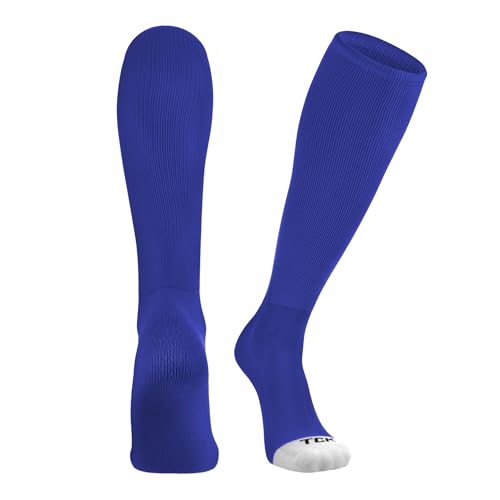


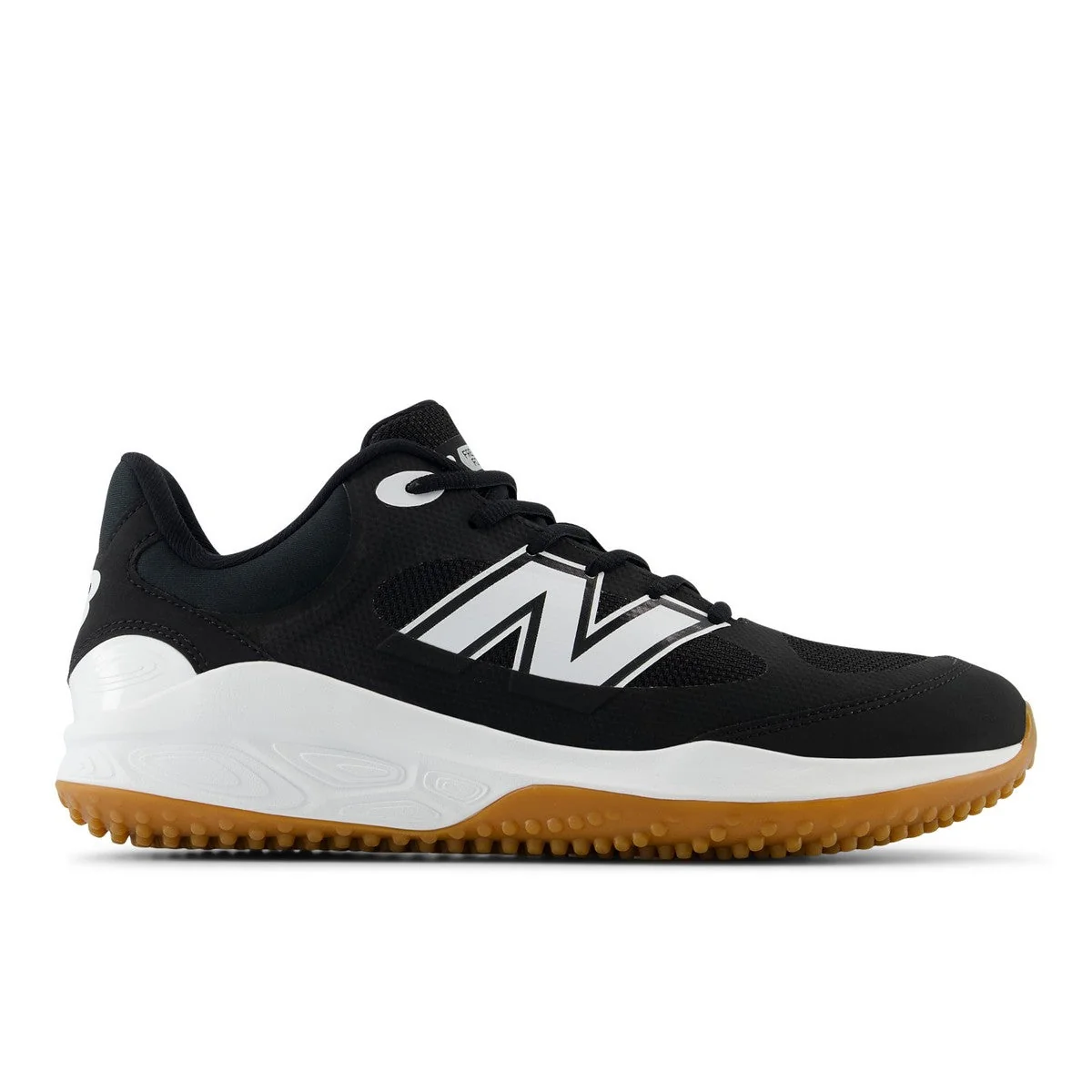
Rated 4.8 by verified buyers
Baseball Cleat Questions Answered
No, metal cleats should never be worn on artificial turf. The hard subsurface prevents proper cleat penetration, which increases ankle and knee injury risk while also damaging the expensive synthetic playing surface. Choose our molded cleats or Turf Trainers for artificial grass.
Most facilities with artificial turf explicitly prohibit metal cleats in their field-use policies. Violating these rules can result in ejection from games or facility bans.
Replace cleats when you notice visible wear indicators like separated stitching at the upper-sole connection, worn-down cleat tips that no longer grip effectively, or torn mesh in high-flex areas. For metal cleats, replace them if spike threads strip and won’t hold replacement cleats securely.
Most competitive players replace cleats annually at the start of each season, even if visible wear isn’t obvious. The midsole cushioning compresses over time and loses shock absorption, which can contribute to foot and leg fatigue during long games.
Low-cut cleats end below the ankle bone, maximizing natural ankle mobility for players who prioritize speed and agility. Mid-cut designs extend above the ankle to provide lateral stability during rotational movements like batting and throwing.
Position players in the outfield and middle infield typically prefer low-cut cleats, while catchers, pitchers, and power hitters often choose mid-cut models. Your personal ankle strength and injury history should also guide this decision—players with previous ankle sprains may benefit from the added support of mid-cut construction.
Yes, all our baseball cleats meet NFHS equipment standards for high school competition. However, individual state associations and conferences may add restrictions beyond the basic NFHS rules, particularly regarding metal cleats on certain field surfaces.
Contact your athletic director or check your state’s high school athletic association website to confirm your school’s specific cleat regulations. When in doubt, molded cleats offer universal compliance for all high school leagues.
Baseball cleats should fit slightly more snugly than running shoes, with minimal heel slip and just enough toe room that you’re not jamming forward during aggressive base running. Expect about a thumb’s width of space at the toe when standing with your weight distributed.
Always try cleats with the same sock thickness you’ll wear during games—baseball socks are typically thicker than everyday athletic socks. If you’re between sizes, we recommend sizing up for molded cleats and going with your true size for metal cleats, which tend to run slightly large.
Yes, baseball and softball cleats are functionally identical and fully interchangeable between the sports. Both use the same cleat patterns, materials, and construction methods. The performance demands of base running, fielding, and batting translate directly across both games.
Softball players should follow the same selection criteria as baseball players—choose metal or molded based on league rules and playing surface, and select the cut height that matches your position and mobility needs.
Leather baseball cleats benefit from waterproofing treatment applied before first use and reapplied monthly during the season. Use a spray-on waterproofing product designed for athletic footwear rather than heavy waxes meant for work boots.
Synthetic cleats have water-resistant properties built into their materials and don’t require additional waterproofing. However, all cleats should be dried thoroughly after wet games to prevent odor-causing bacteria and material degradation from prolonged moisture exposure.